


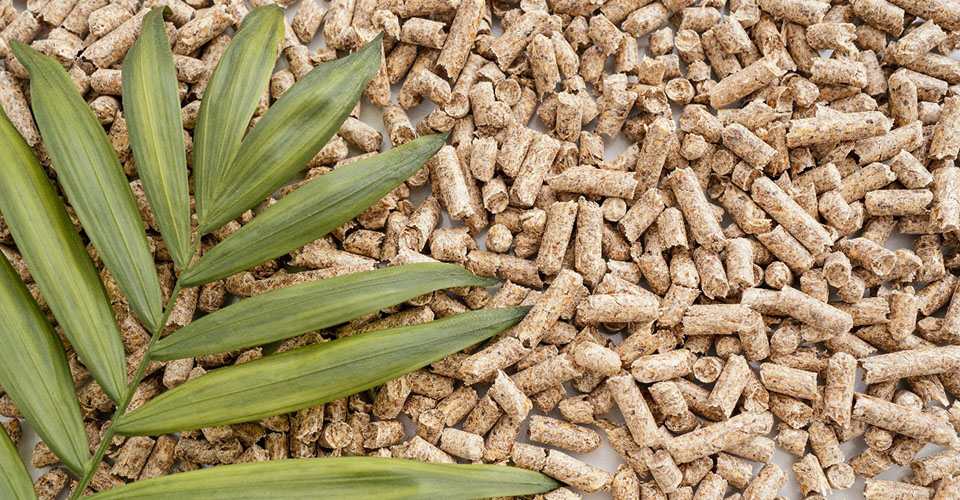
Biomass pellets have become an increasingly popular fuel source due to their efficiency, eco-friendliness, and cost-effectiveness. At Aspen Energy, we manufacture premium-quality hardwood and softwood pellets that serve a wide range of applications—from large-scale industrial operations to small domestic heating systems.
However, the requirements for industrial use and home use vary significantly. In this article, we explore the differences between the two in terms of fuel characteristics, performance expectations, regulatory needs, and cost considerations.
1. Application and Scale
Industrial Use
Industries typically use biomass pellets to power large boilers, furnaces, and power plants. These systems require a continuous and high-energy fuel supply to maintain operations over long periods.
- Common sectors: manufacturing, food processing, textile, chemical, power generation.
- Application scale: high volume, continuous combustion.
Home Use
Domestic use includes pellet stoves, heaters, and small-scale boilers designed for household heating.
- Common users: homeowners, small commercial buildings, rural households.
- Application scale: intermittent or seasonal use, low volume.
2. Pellet Quality Requirements
Industrial Requirements
Industries prioritize calorific value and bulk volume. A slight increase in ash content may be acceptable if the fuel is cost-effective and energy-dense.
- Preferred specs:
- High calorific value (≥ 4,000 Kcal/kg)
- Moderate to low ash content (up to 5%)
- Uniform size for automated feed systems
- Flexibility in raw material: agro residue, hardwood, softwood, mixed biomass
Home Requirements
Household systems are more sensitive to ash buildup and emissions. Therefore, low ash content and high purity are crucial to avoid maintenance issues.
- Preferred specs:
- High calorific value (≥ 4,000 Kcal/kg)
- Very low ash content (typically ≤ 2%)
- Consistent pellet size and shape
- Clean-burning, low-dust pellets (typically softwood-based)
3. Emission Control and Environmental Standards
Industrial Use
Industrial plants often operate under stricter environmental regulations and may have emission control systems in place. Biomass co-firing with coal is also subject to government guidelines in India.
- Must comply with:
- Pollution control norms (SOx, NOx, particulate matter)
- Biomass co-firing mandates in thermal power plants
Home Use
Home pellet appliances are typically designed to meet clean indoor air quality standards, especially in urban areas.
- Requires:
- Clean combustion with minimal smoke
- Low ash and volatile organic compound (VOC) emissions
4. Cost and Supply Chain
Industrial Use
Industries often purchase in bulk quantities, requiring reliable supply chains and competitive pricing. Cost per unit of energy is a critical decision-making factor.
- Bulk logistics: truckloads, containers
- Long-term supply contracts preferred
Home Use
For domestic users, pellets are purchased in smaller quantities—bags or boxes—and ease of handling, packaging, and cleanliness are important.
- Sold in 10–25 kg bags
- Availability in retail or online stores is key
5. Equipment Compatibility
Industrial
Industrial combustion systems are robust and can often handle variations in pellet quality or different biomass sources. They are equipped to deal with higher ash outputs.
Home
Home appliances are more sensitive to fuel quality and require consistent, low-ash pellets to avoid frequent cleaning and damage to parts.
Aspen Energy: Supplying for Both Worlds
At Aspen Energy, we understand the distinct needs of industrial and home pellet users. That’s why we offer tailored solutions:
- Hardwood Pellets – Ideal for industrial boilers and co-firing in power plants
- GCV: 3900–4100 Kcal/kg
- Ash Content: 3–5.5%
- Softwood Pellets (Pine) – Preferred for home heating due to low ash and high energy output
- GCV: 4300–4500 Kcal/kg
- Ash Content: 1–2%
We also produce custom biomass pellets from agro residues such as coffee husk, corn cob, and cashew shells—offering flexibility for specialized applications.
With a current monthly capacity of 600 metric tons and expansion plans underway, we are well-equipped to meet the growing demand for both industrial and domestic markets.
Conclusion
Whether you’re powering a large-scale industrial facility or heating a home during winter, the right type of biomass pellet makes all the difference. Understanding the specific requirements of your application can ensure better efficiency, cost savings, and a cleaner combustion process.
Aspen Energy is here to support both industrial and household consumers with high-quality, sustainable pellet solutions tailored to your needs.
Get in Touch
Narendra Dev
Head – Marketing, Aspen Energy
Office: A12/802, Karishma Society, Kothrud, Pune – 411038
Factory: Shed No. 18, GAT No. 391/1, Gauddara, Taluka Haveli, Pune – 412205
Phone: +91-8655044579
WhatsApp: +91-9825044579
Email: aspenenergy11@gmail.com
Aspen Energy – Powering Progress, Sustainably
