


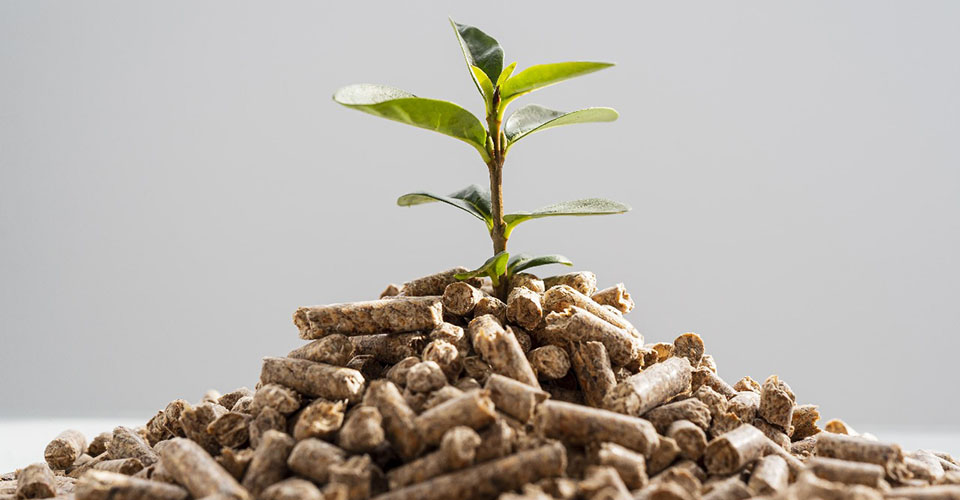
India, with its vast agricultural landscape, generates millions of tons of agro residue every year. While this residue was once considered waste—often burned in open fields, contributing to severe air pollution—it is now being viewed as a valuable resource in the clean energy transition. The conversion of agro residue into bioenergy represents a sustainable shift in how we manage agricultural by-products and meet our growing energy demands.
At Aspen Energy, we are committed to enabling this transformation by manufacturing high-quality biomass pellets derived from agro-based materials. This blog explores how agro residue is being turned into energy, its environmental and economic benefits, and our role in this emerging sector.
Understanding Agro Residue
Agro residues are the leftover parts of crops after harvesting. Common examples include:
- Paddy straw
- Wheat husk
- Cotton stalks
- Sugarcane bagasse
- Corn cobs
- Coffee husk
- Cashew shells
These materials are rich in organic content and calorific value, making them suitable for conversion into biomass fuel such as pellets or briquettes.
The Problem with Stubble Burning
Every year, especially in northern India, stubble burning leads to alarming levels of air pollution. The smoke released affects not only rural regions but also urban centers, causing health problems and environmental damage. Despite government efforts to discourage the practice, lack of economically viable alternatives has been a major challenge.
The solution lies in converting agro residue into clean-burning biomass fuel. It addresses two major issues simultaneously—waste management and renewable energy generation.
Agro Residue as a Fuel: The Conversion Process
The transformation of agro residue into energy involves a systematic process:
- Collection and Sourcing
Agro waste is sourced directly from farms and agro-processing units. - Drying and Pre-Processing
The moisture content is reduced to optimize combustion efficiency. - Grinding and Pelletizing
The material is processed into a uniform size and compressed into pellets using advanced machinery. - Energy Generation
The pellets are used in industrial boilers, thermal power plants, or domestic heating systems as a clean, carbon-neutral alternative to fossil fuels.
Environmental and Economic Benefits
- Reduction in Air Pollution
Utilizing agro waste prevents open burning, significantly lowering emissions of harmful gases and particulate matter. - Lower Carbon Footprint
Biomass energy is carbon-neutral. The CO₂ released during combustion is offset by the CO₂ absorbed during the crop’s growth cycle. - Sustainable Rural Economy
Collection and processing of agro waste create employment opportunities in rural areas and provide farmers with an additional revenue stream. - Energy Diversification
Biomass pellets offer a reliable alternative to coal and other non-renewable fuels, supporting India’s energy security.
Aspen Energy’s Role in Agro-Based Bioenergy
At Aspen Energy, we recognize the immense potential of agro residue as a sustainable fuel source. Our facility in Pune is equipped with advanced technology to convert agro waste into high-quality biomass pellets with consistent energy output.
We manufacture pellets from a wide range of agro materials, including:
- Coffee husk
- Corn cobs
- Cashew shells
- Sawdust and wood residue
Our products meet stringent quality standards, offering:
- High calorific value
- Low moisture and ash content
- Uniform size and density
With a current production capacity of 600 metric tons per month, and an expansion plan of 50 percent in the next six months, we are well-positioned to meet the rising demand for agro-based biomass fuels.
A Step Toward Energy Resilience
The transformation of agro residue into clean energy is more than a technological innovation—it is a sustainable solution to some of India’s most pressing challenges: pollution control, rural income generation, and energy diversification.
At Aspen Energy, we are proud to contribute to this transformation. We invite industries, energy producers, and policymakers to collaborate with us in building a cleaner, greener, and more resilient energy future.
Contact Us
Narendra Dev
Head – Marketing, Aspen Energy
Office: A12/802, Karishma Society, Kothrud, Pune – 411038
Factory: Shed No. 18, GAT No. 391/1, Gauddara, Taluka Haveli, Pune – 412205
Phone: +91-8655044579
WhatsApp: +91-9825044579
Email: aspenenergy11@gmail.com
Aspen Energy – Powering Progress, Sustainably
